Context
This study explores a non-linear production pipeline, replacing traditional 3D rendering with a generative AI stack to create brand-consistent motion assets.
Asset Generation
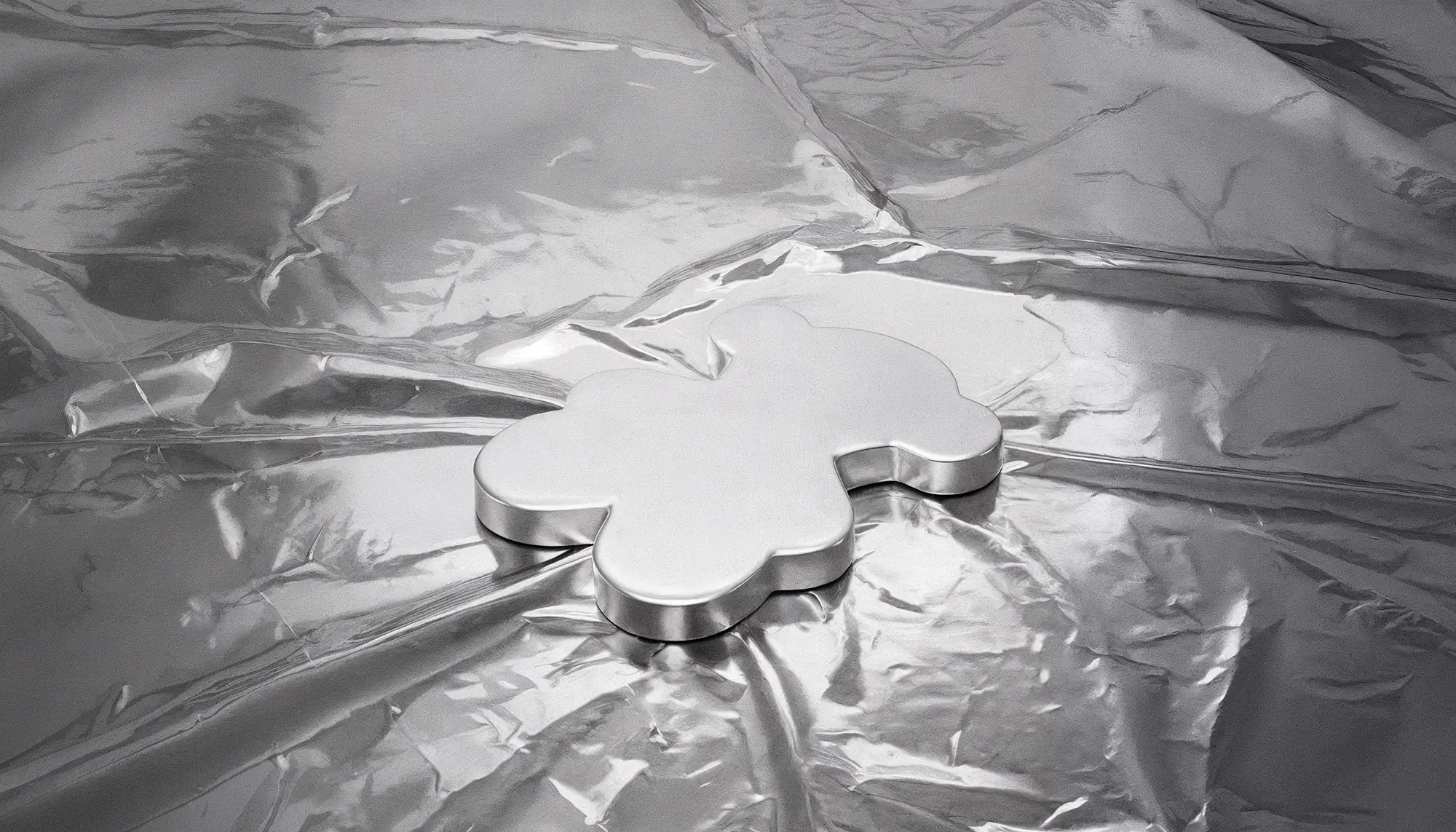
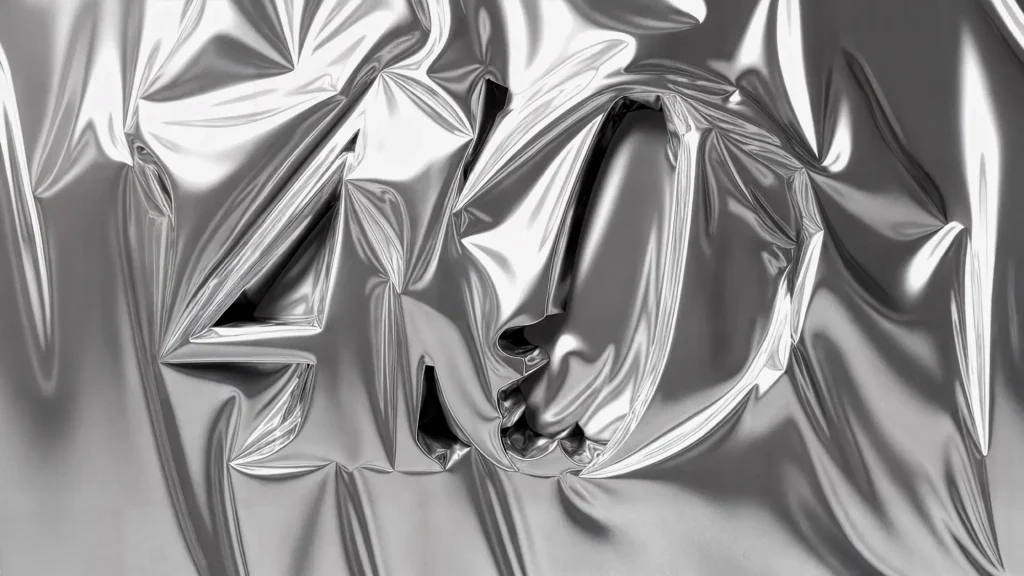
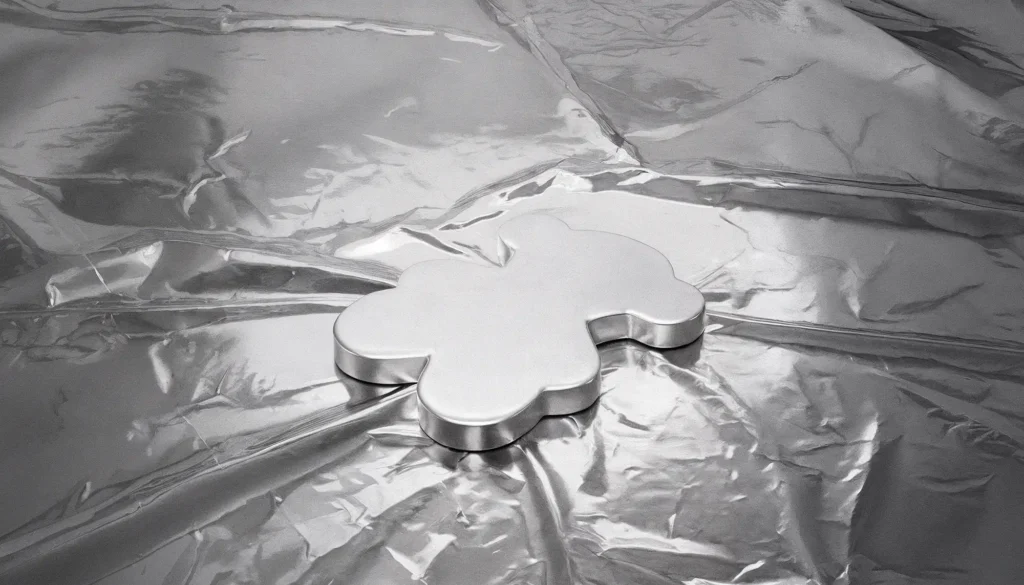
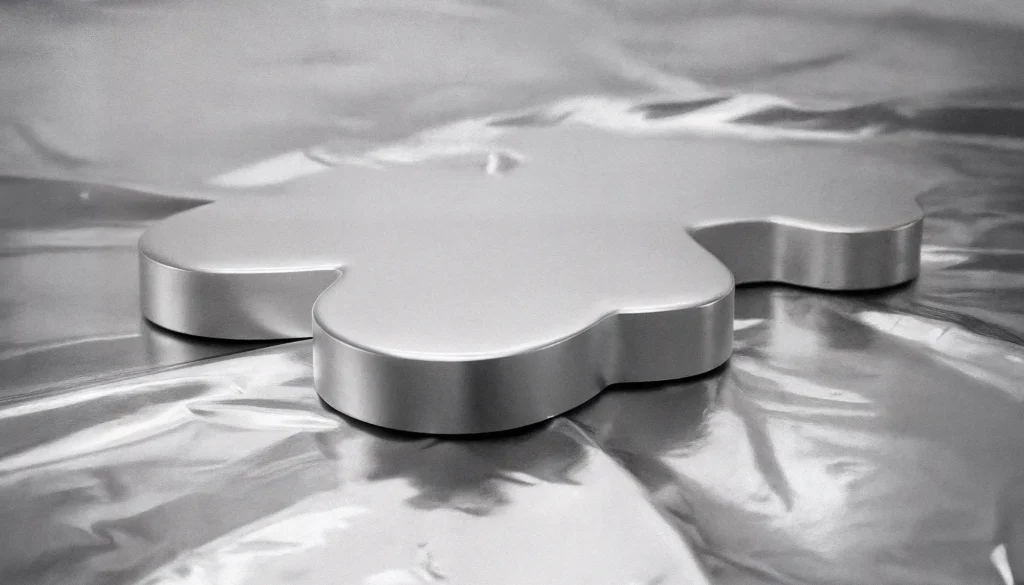
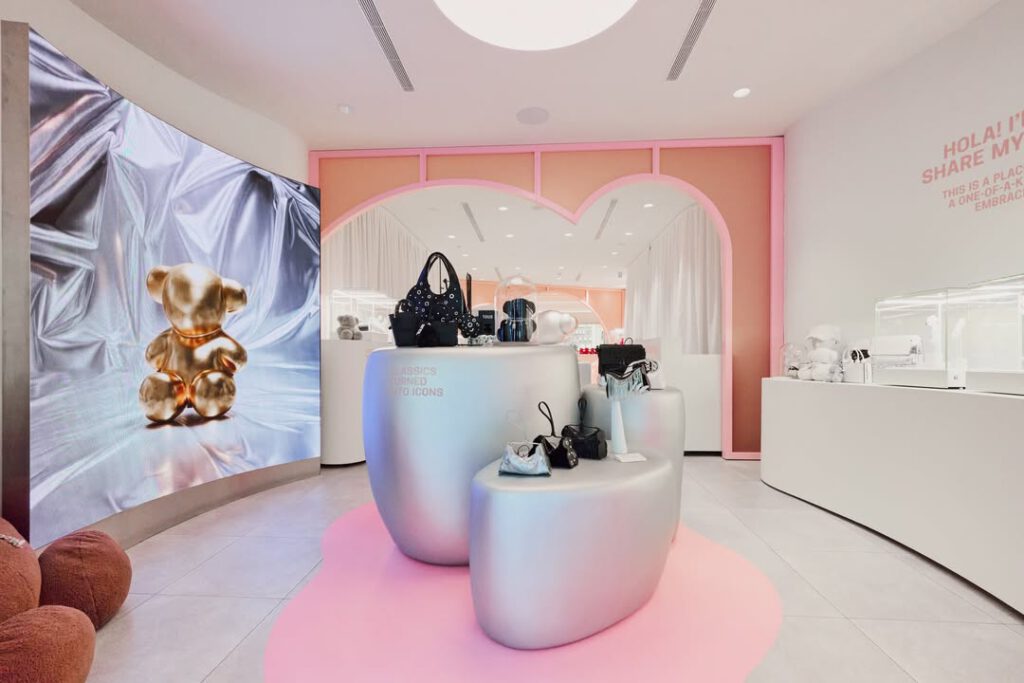
Initial visual assets were generated using Google Nano Banana 1. The process focused on simulating specific physical properties—liquid chrome, polished gold, and high-gloss silver—mimicking the material language found in physical retail environments.
To animate the static outputs, the images were processed through Runway and Kling.
Image-to-Video: The generated images served as the structural reference to maintain material integrity across time.
Frame Constraints: A first/last frame method was used to anchor the motion. By defining both start and end points, the AI calculates the transformation between them, which minimizes "melting" artifacts and keeps the subject’s geometry stable.
Implementation
The resulting horizontal and vertical video assets are optimized for all client needs. The pipeline allows for rapid iteration of complex material simulations that would typically require significant render time in a traditional 3D environment.
Final Video / Mobile
⬑ Process / TOUS 40 YEARS
[07. October 2025]
Helpful Resources
[07. October 2025]
In Collaboration with WeLoveMartha Studio, Barcelona
Helpful Resources