Vueling x Le Tour De France

Context

A commercial motion project built entirely through generative AI. The process began with storyboard and character design — defining the cyclist, the bicycle, and the overall narrative arc. The critical step before any image generation was writing a master prompt: a single, precise description locking in cameramodel, lens behavior, motion bur, lighting condition and visual tone. This master prompt acted as a style contract across the entire project, ensuring consistency from the first styleframe to the last generated shot. Video production was then executed across Grok, Kling and Seedance.

Final Video

⬑ Process / Vueling x Le Tour De France
[25. March 2026]

In Collaboration with WeLoveMartha Studio, Barcelona


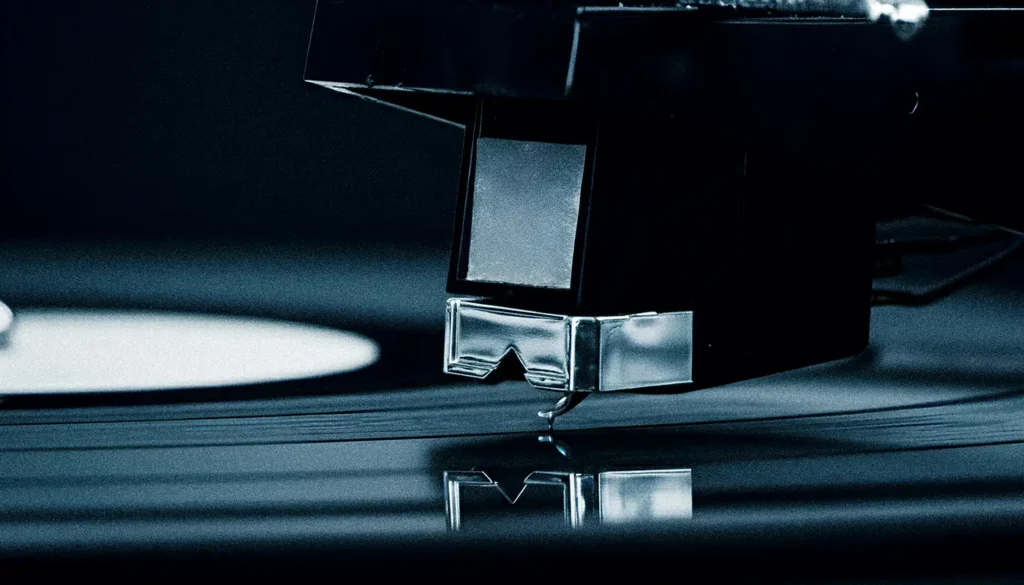
How did we teach plastic to remember music?

Context

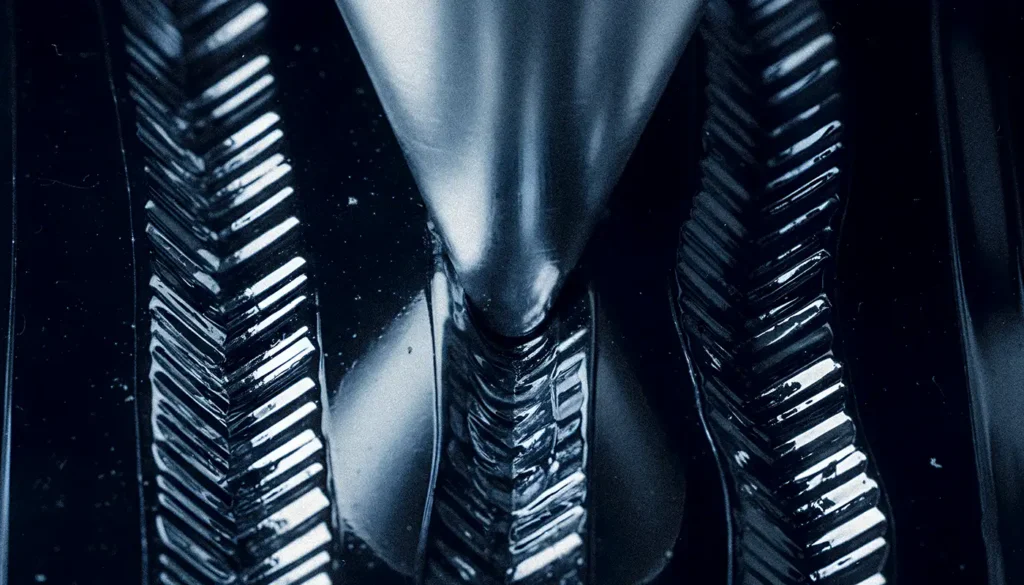
This project explores what happens when scientific archive material becomes the foundation for a generative visual world. The central question was not how to create something entirely new, but how to look at something already existing from an angle conventional technology cannot reach. The starting point was a simple fascination: vinyl is a physical medium that stores information. The grooves pressed into the plastic surface carry remarkably complex acoustic information. That physical relationship between material and memory became the conceptual anchor for everything that followed.

Research

Research

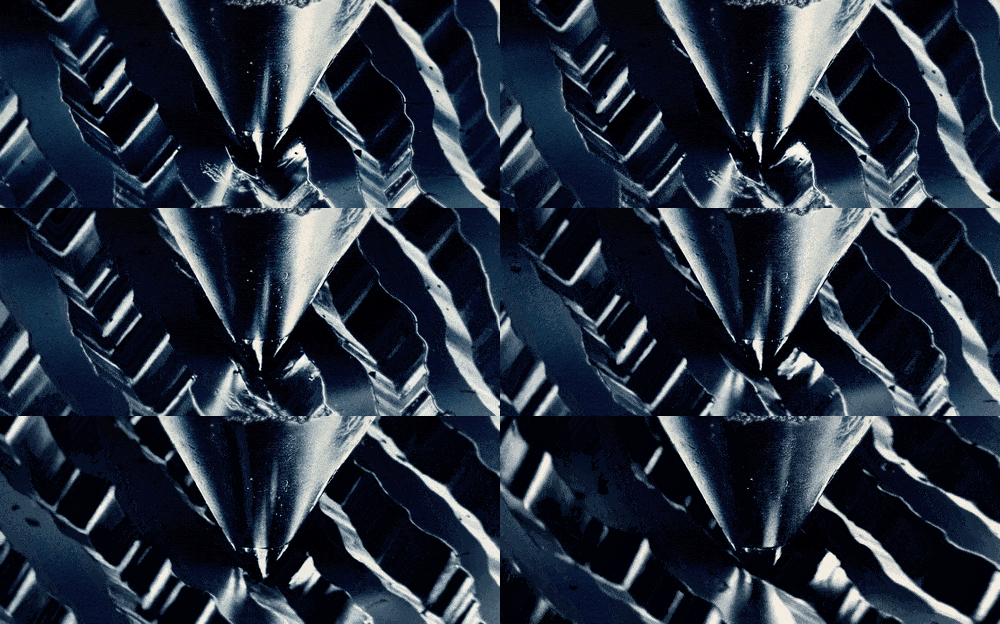
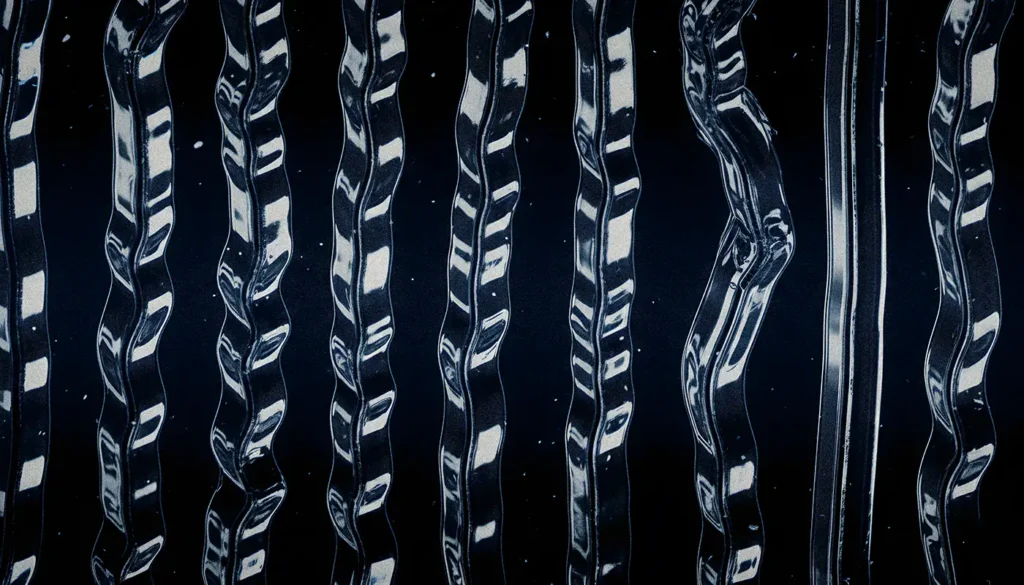
The source material was electron microscope imagery of vinyl records, scientific documentation, not aesthetic production. These images already contain their own visual language: dense, rhythmic, almost textile in structure. The goal was not to fabricate something fictional, but to work from this real, verifiable foundation and redirect it toward a different kind of storytelling.
Tools

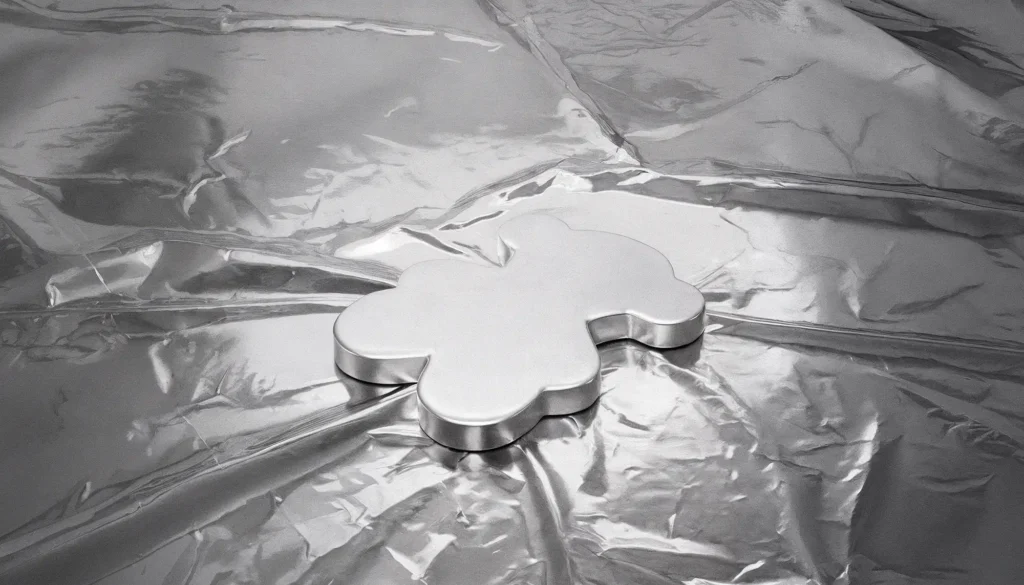
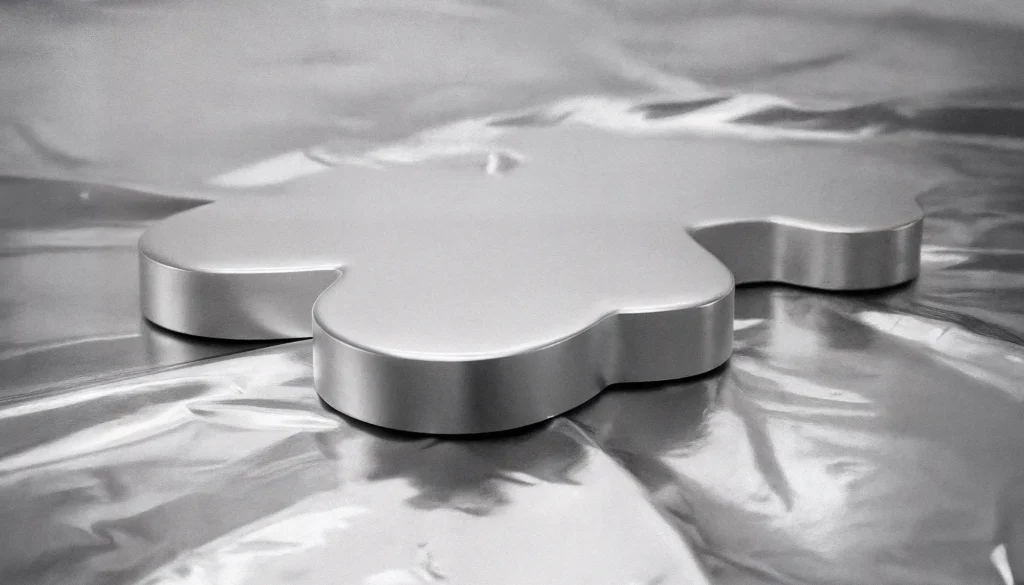
Initial visual assets were generated using Google Nano Banana 2, with additional work in Qwen Image Edit and Flux2.Dev in ComfyUI. This combination allowed for gradual control over composition, color palette, and material quality — specifically simulating liquid chrome, polished gold, and high-gloss silver, referencing the material language of physical retail environments without ever entering one. Animation was handled primarily through Grok (image-to-video, first-frame input), chosen for its strength in dynamic movement and prompt responsiveness. The final shot was produced in Kling 2.6 using a first/last-frame method, which anchors the motion at both ends and lets the AI interpolate the transformation between them — keeping geometry stable and reducing visual drift.

Final Video / Desktop

Sound on | Fullscreen

Sampling as Method

The soundtrack is built from a sample of 'Curtis Mayfield & The Impressions — I've Been Trying'. The act of sampling — taking something that already exists, recontextualising it, building something new on top of it, mirrors the entire logic of the project. The video closes on the label of that specific record, a physical object from my personal collection. A reference within a reference.
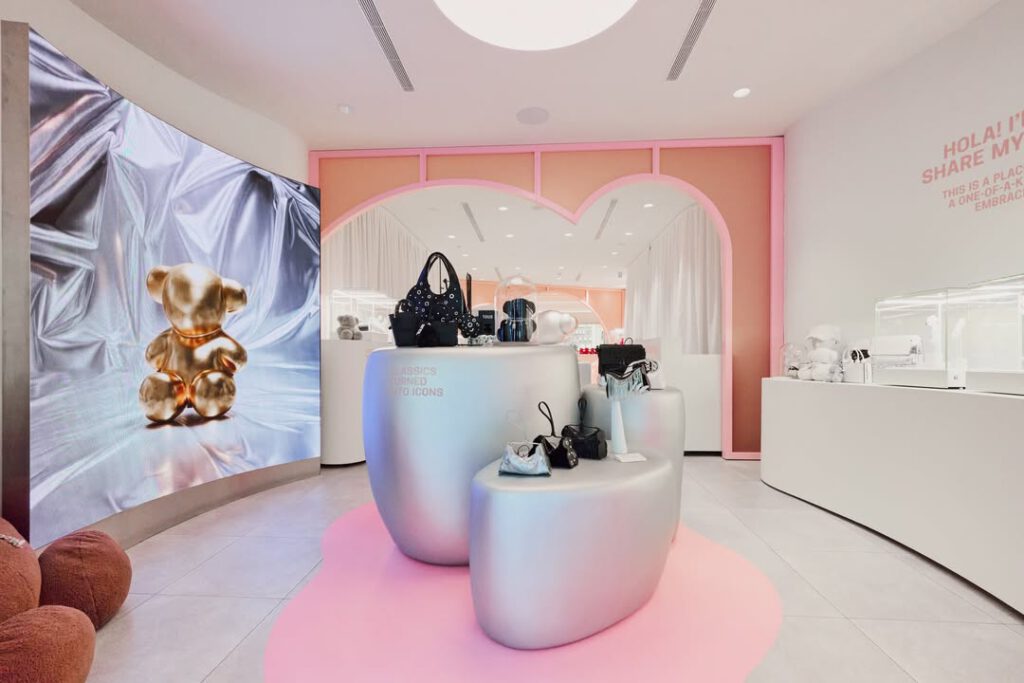
TOUS 40 Years

Context

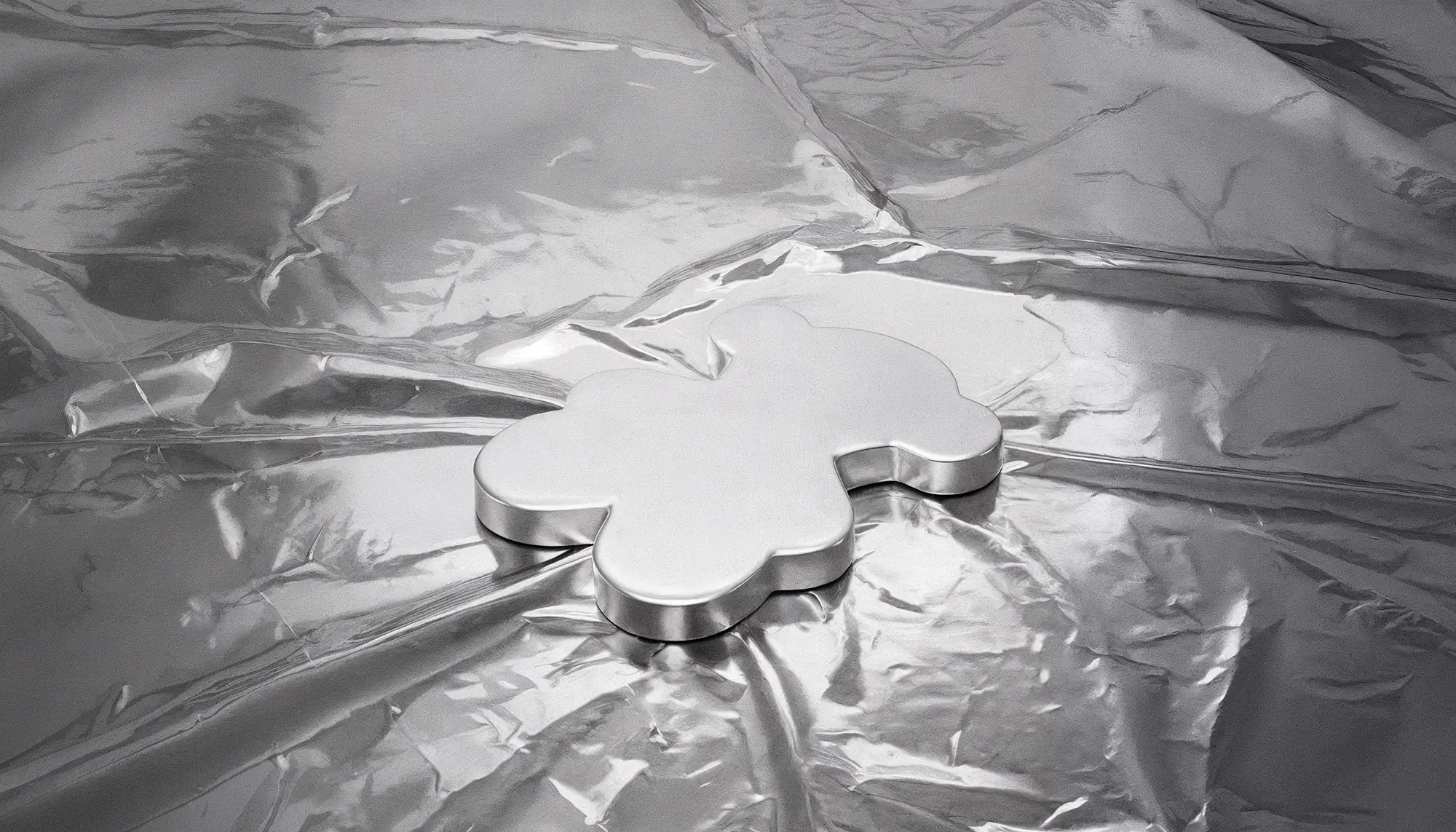
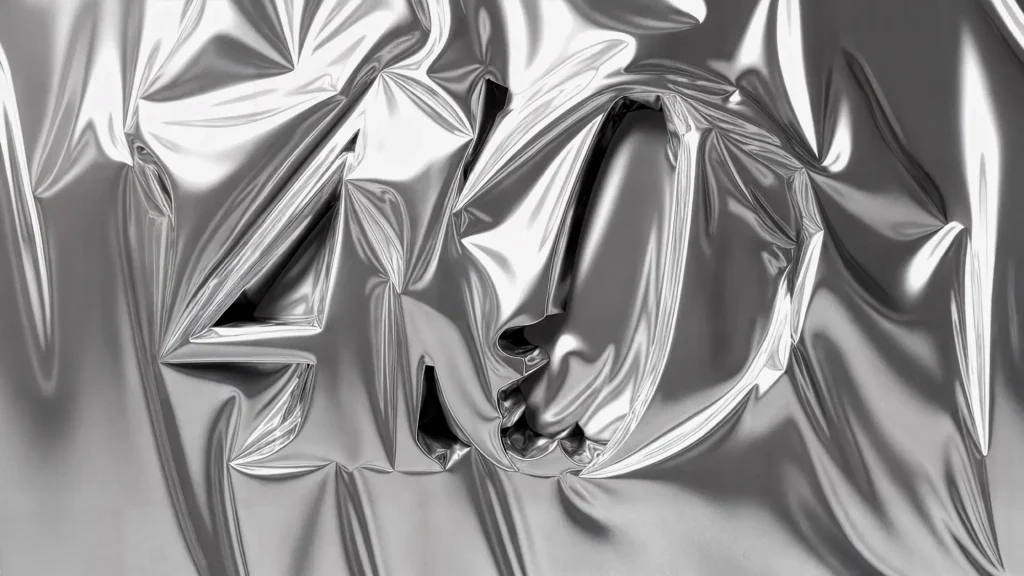
This study explores a non-linear production pipeline, replacing traditional 3D rendering with a generative AI stack to create brand-consistent motion assets.

Asset Generation

Initial visual assets were generated using Google Nano Banana 1. The process focused on simulating specific physical properties—liquid chrome, polished gold, and high-gloss silver—mimicking the material language found in physical retail environments. To animate the static outputs, the images were processed through Runway and Kling. Image-to-Video: The generated images served as the structural reference to maintain material integrity across time. Frame Constraints: A first/last frame method was used to anchor the motion. By defining both start and end points, the AI calculates the transformation between them, which minimizes "melting" artifacts and keeps the subject’s geometry stable.

Implementation

The resulting horizontal and vertical video assets are optimized for all client needs. The pipeline allows for rapid iteration of complex material simulations that would typically require significant render time in a traditional 3D environment.

Final Video / Mobile

⬑ Process / TOUS 40 YEARS
[07. October 2025]

In Collaboration with WeLoveMartha Studio, Barcelona


Helpful Resources

Windy Days

Context

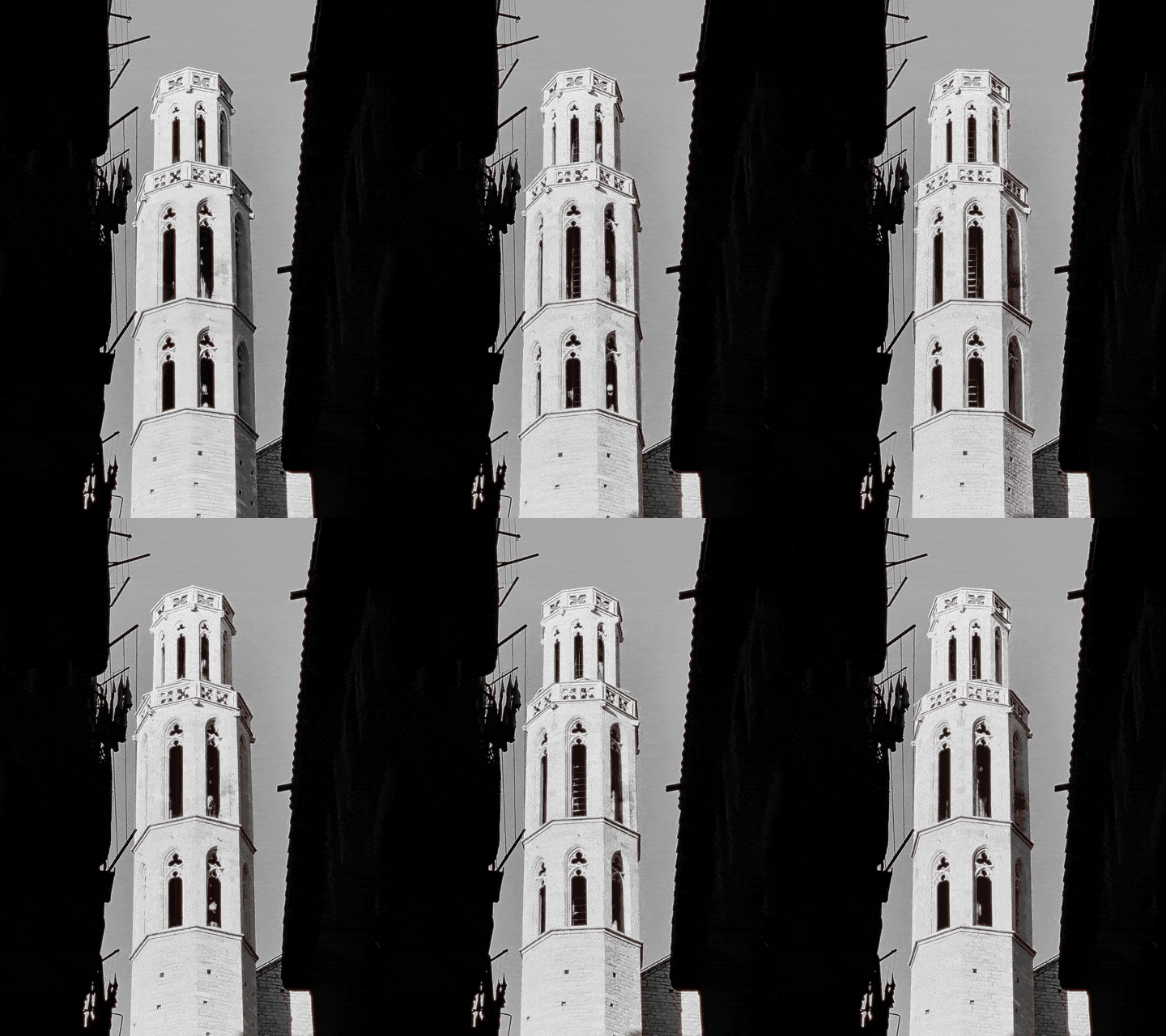
By combining street photography in Barcelona with advanced AI motion control and custom sound design, the goal was to introduce a subtle, surrealist layer to static historic architecture without losing the structural integrity of the subject. The approach trys not to us AI for cheap unintentional effects but rather gain control and intention. The project began with a series of architectural studies of the Santa Maria del Mar church and surrounding El Born & Gothic quarters in Barcelona. To ground the digital manipulation in reality, I recorded ambient city sounds, processed them in Ableton Live and added a harmonic layer to it.

Video

Sound on

Workflow

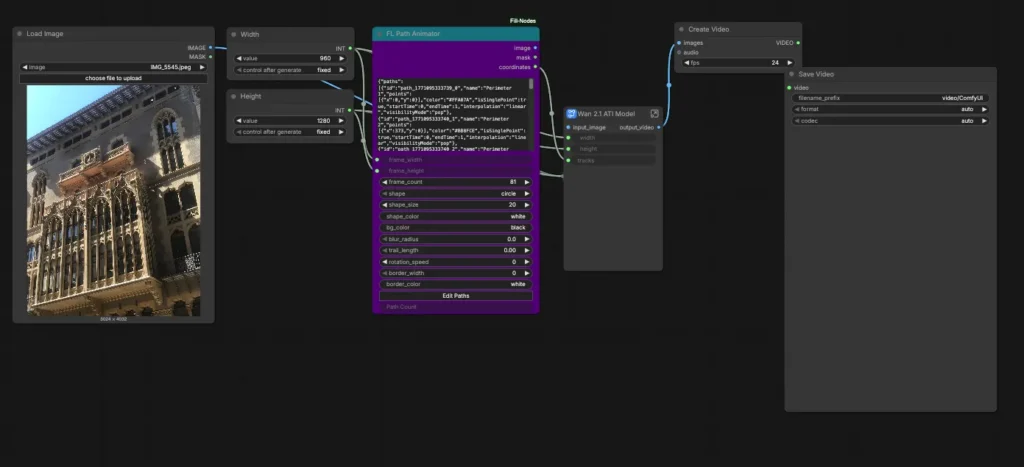
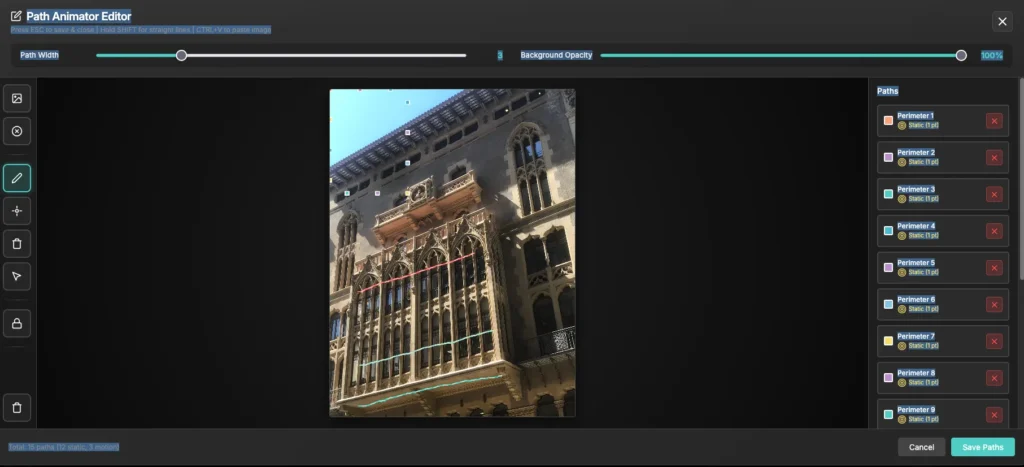
Unlike standard text-to-video generation which often results in unpredictable "hallucinations," this workflow utilizes Trajectory Control within ComfyUI. It gives Control over: Path Animation: Using a spline-based editor, I manually drew the "wind" paths across the architectural facades. This allows for precise control over which direction pixels move and at what velocity [01:26]. Pinning & Static Constraints: To maintain the "subtlety" mentioned in the concept, specific architectural anchors (like the church towers) were "pinned" in the workflow [01:18]. This ensures the camera and core structure remain stationary while only the atmospheric elements—like light reflections and shadows—are influenced by the trajectory paths. Temporal Interpolation: Using start/stop percentages and easing functions (Ease-In/Out) [02:11], the motion was synchronized to the BPM of the Ableton soundscape, creating a cohesive link between the visual "wind" and the audio environment.
⬑ Process / Windy Barcelona
[15. February 2025]

ComfyUI Trajectory Control by MachineDelusions


Helpful Resources

AI Oldtimer Flux.dev 1

Intro

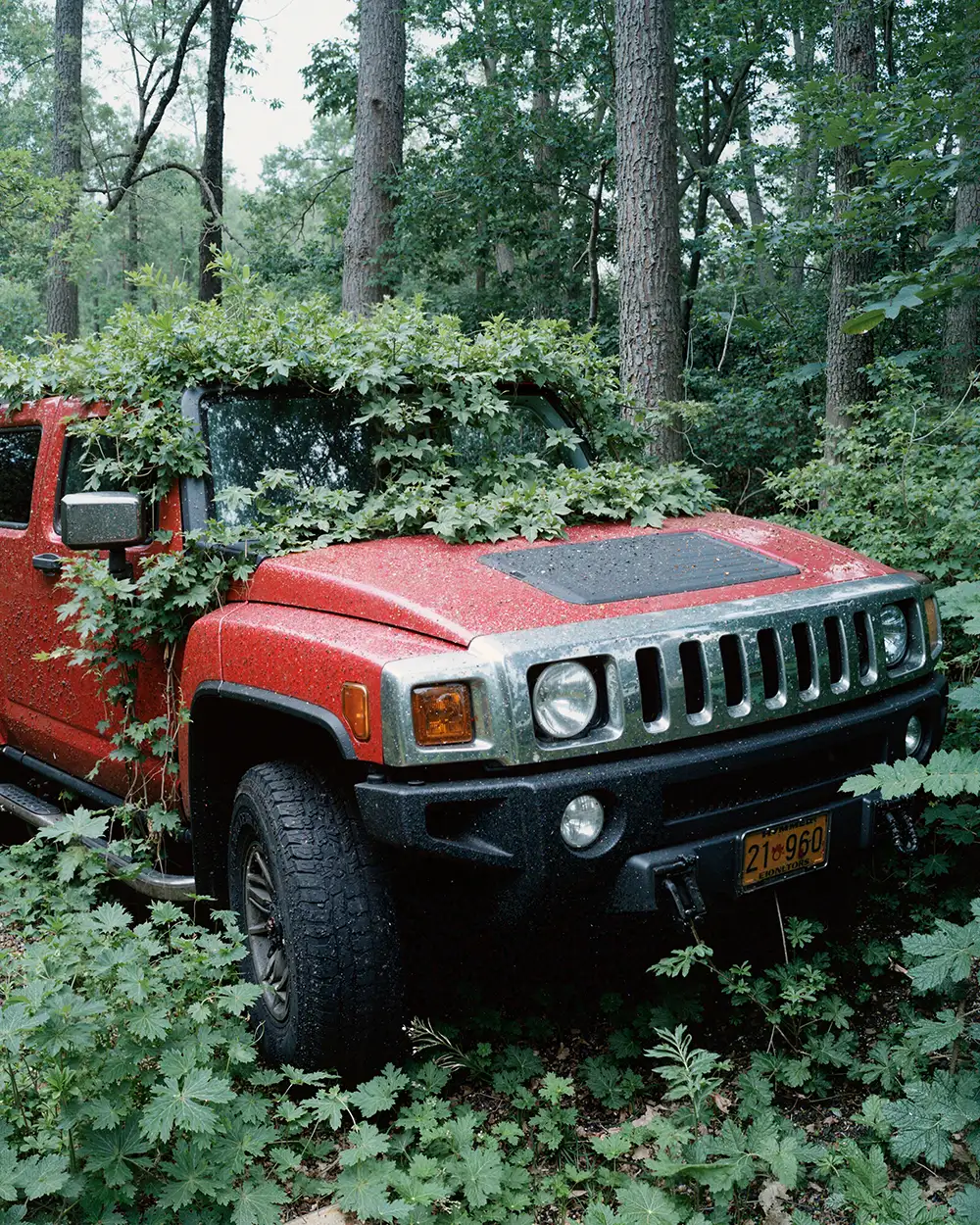
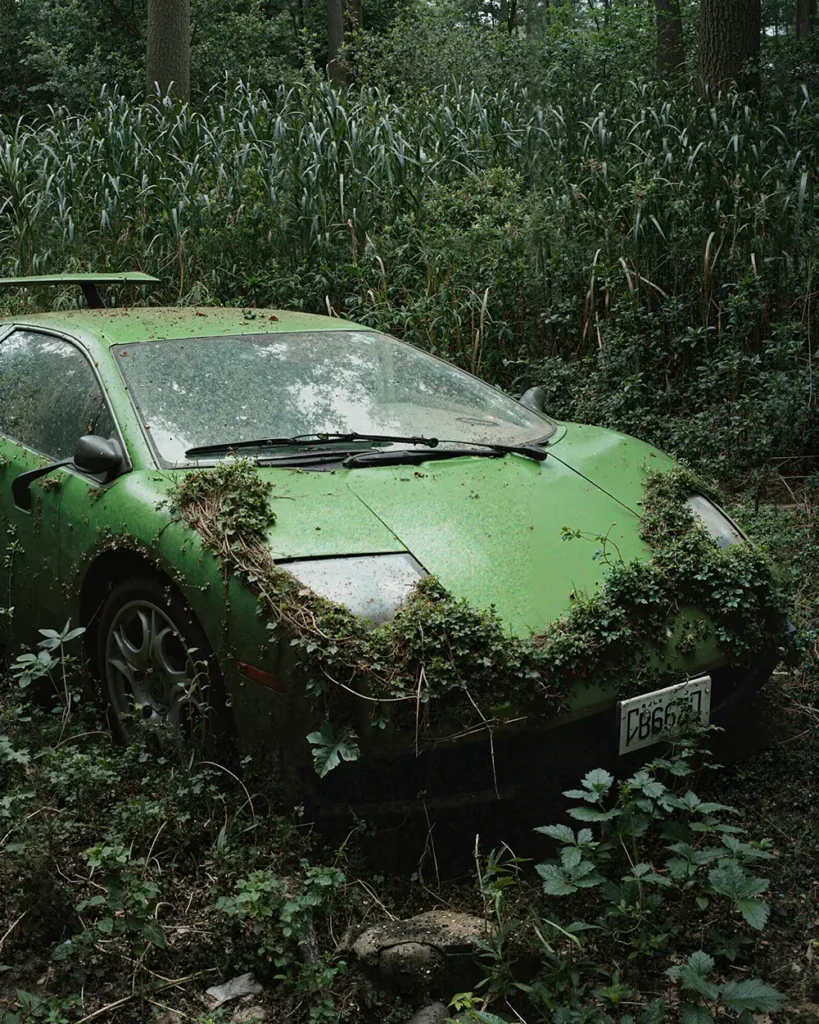
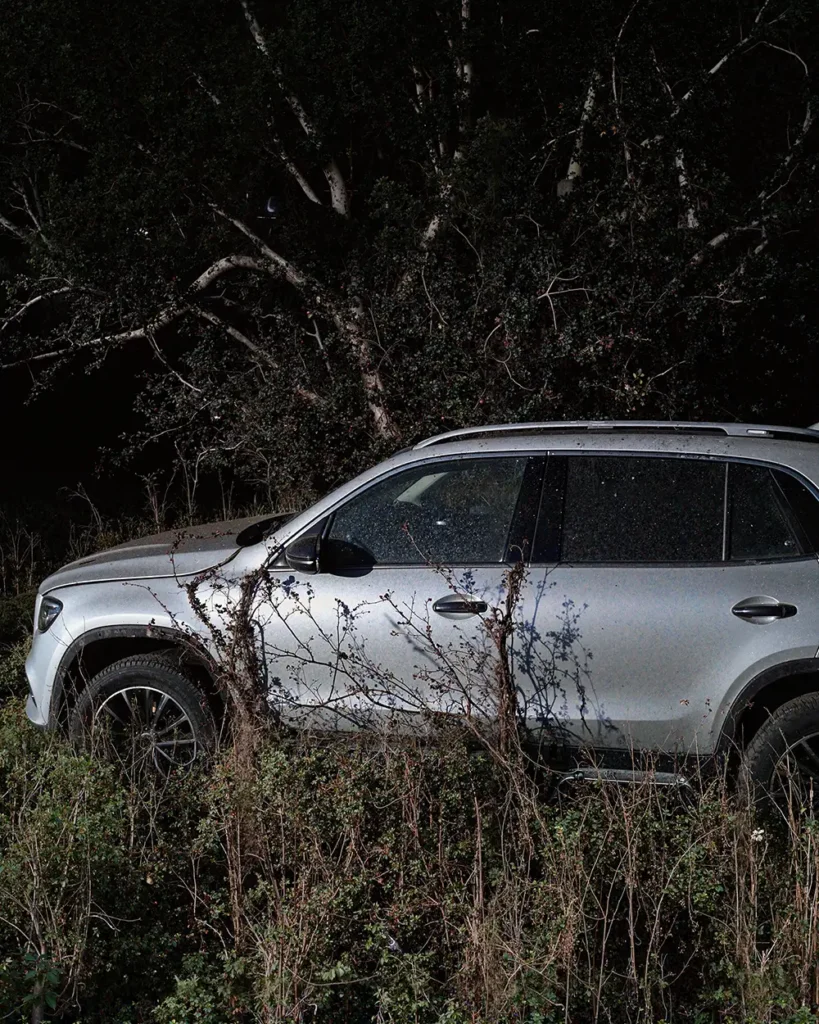
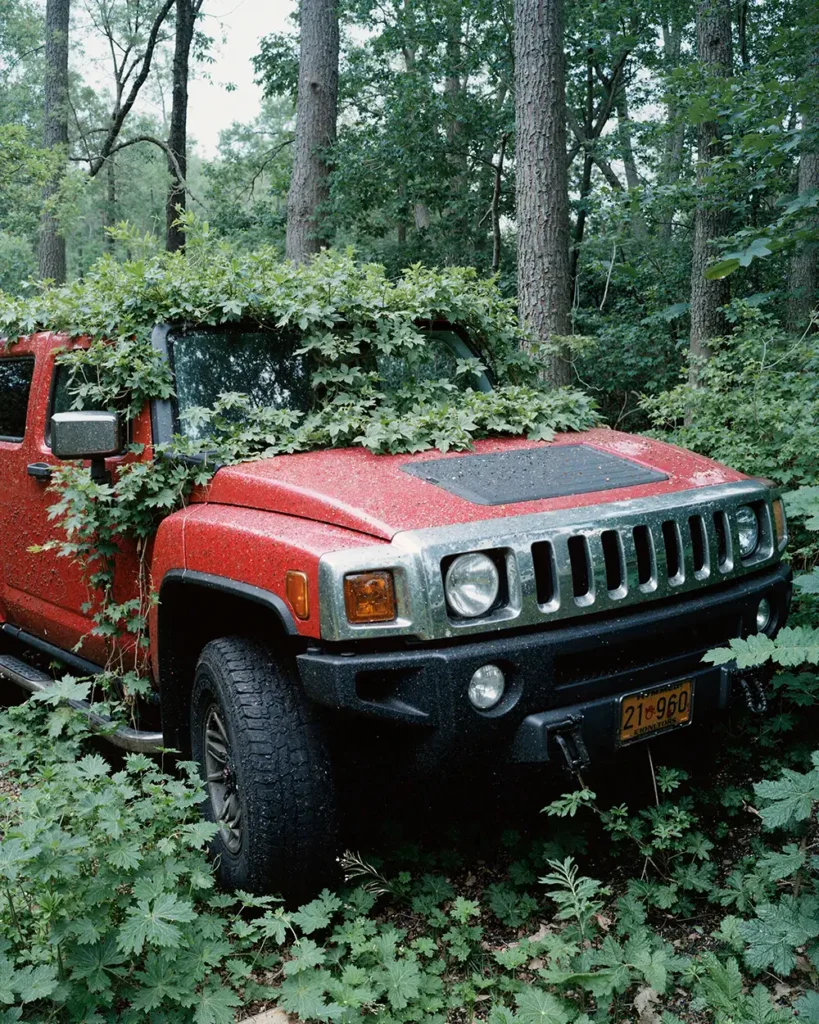
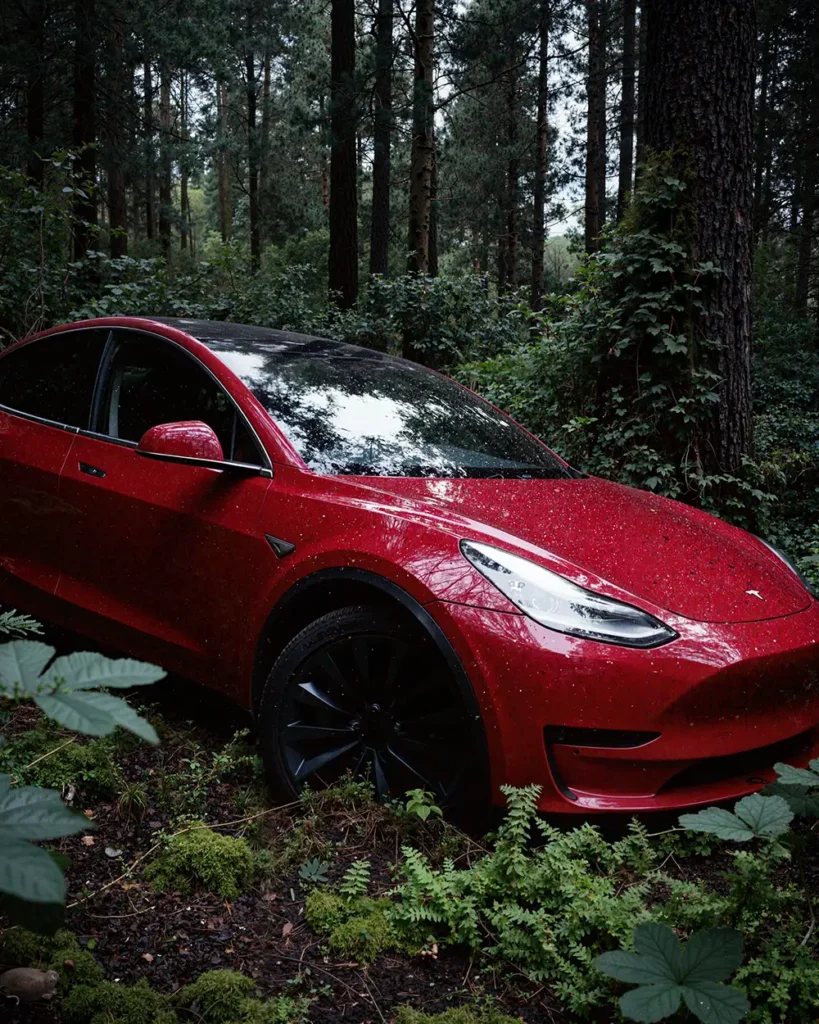
My younger brother once told me his favorite photo I had ever taken was of an abandoned Mercedes in a forest, surrounded by tall grass. Maybe he sensed something simple and true in it. Lately, I’ve been deep into experimentation with ComfyUI. Exploring workflows, making mistakes and slowly learning a new tool. This small series was built using FLUX1.DEV inside ComfyUI, paired with a few custom LoRAs to push toward a gritty, analog 35mm look. ComfyUI is a open source software for the visual AI space and can run fully locally on your computer. It is different from the big plug-and-play AI platforms. It’s node-based and open, more like a modular synthesizer than an app. You’re not clicking presets. You’re building a visual process. I’d definitely recommend trying it out yourself.

Prompt Example

"d1g1cam, amateur photo, low-lit, overexposure, Low-resolution photo, shot on a mobile phone, noticeable noise in dark areas. (Trigger words for LoRa) A poison green Lamborghini sits abandoned in the middle of a dense, overgrown forest. The car is nearly swallowed by wild vegetation — very tall grasses rise halfway up the doors, and creeping vines curl over the headlights and rear spoiler. The vivid green paint pops unnaturally against the earthy tones of the forest, but is streaked with dirt and leaf debris. The windshield is fogged, and small plants grow from cracks in the soil beneath the tires. Trees surround the scene tightly, with filtered light casting uneven shadows. The photo is messy and raw, with heavy digital grain, clipped highlights, and soft focus — like a forgotten snapshot taken on a cheap mobile phone, lost in the depths of the camera roll. "

Detail Daemon

⬑ Process / AI Oldtimer Flux1.dev
[18. July 2025]


Helpful Resources

Tales Beyond Order

Intro

The project stands as a hybrid of AI-driven visuals and human craftsmanship. Instead of relying on AI as an automatic generator, it was used as a starting point, with each image manipulated, edited and reshaped to serve the story. The result is a film that retains a handcrafted, intentional aesthetic, proving that technology is a tool, not a replacement for creative vision. Many images and movements were created using hybrid techniques, allowing us to maintain full control over the narrative.

Composition work

Production

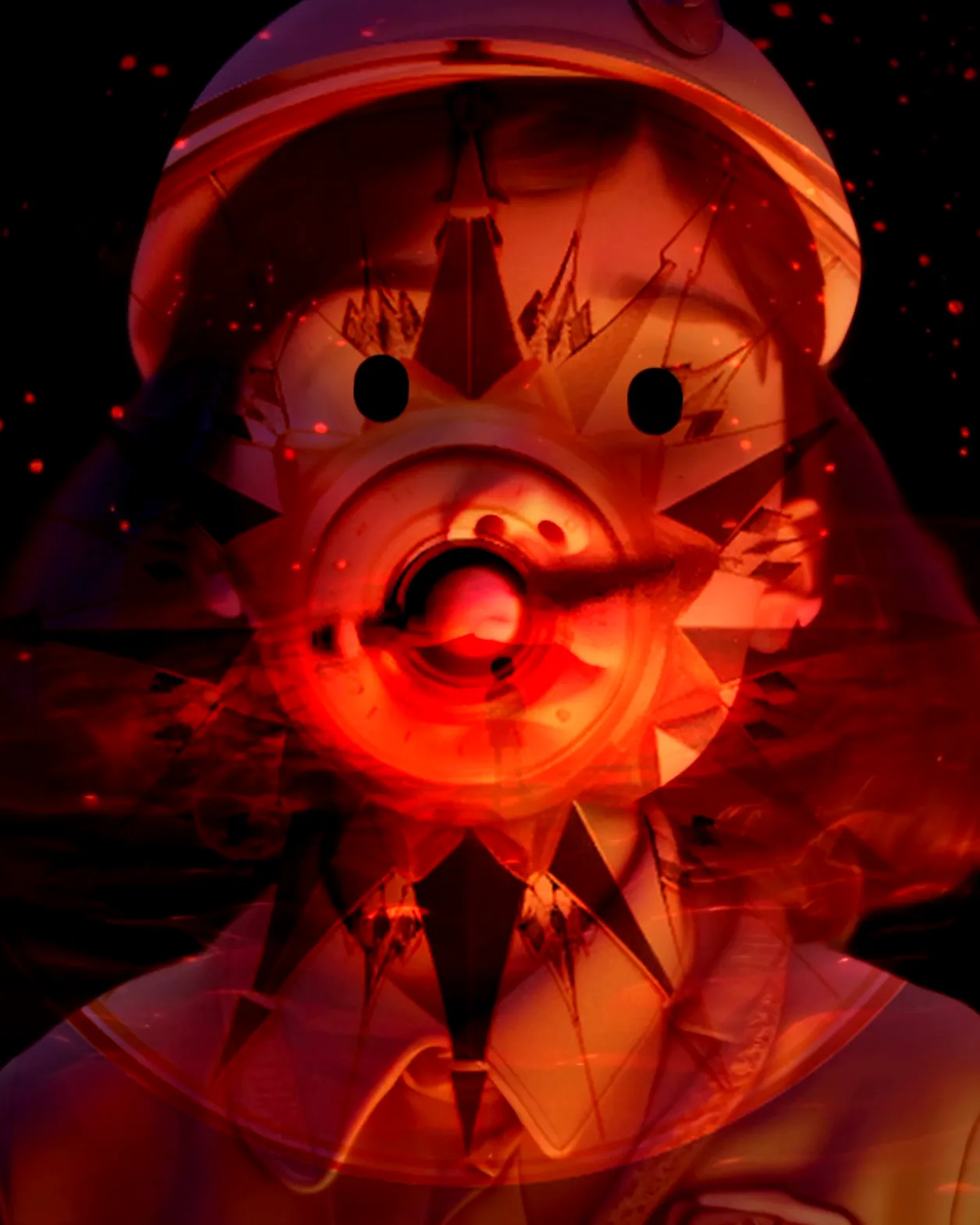
The editing of the film was more like a visual collage, layering different elements to create a unique aesthetic. While AI tools like MidJourney played a role in generating imagery, these images were heavily altered and reworked. For example provided MidJourney originally polished, Disney-like characters with big expressive eyes. These were edited out, replaced with small black dots—a deliberate symbol of the “soulless” nature of this world. Instead of depicting a camp with 20 tents, we show thousands of identical tents stretching endlessly. This reinforces the idea of a world where individuality is erased, and experiences are generic and pre-defined.

Runway Gen2 was limited to producing a maximum of four seconds of coherent body movement.

Miro World

Miro World

Outro

Everything is generated end-to-end in ComfyUI. Thanks to WAN 2.2 VACE’s frame stability, the output avoids jitter and drifting style, while the real-world motion input keeps the animation expressive. The result is a natural hand animation built entirely from a lightweight AI pipeline—no traditional rigging required.

⬑ Process / Beyond Order Shortfilm
[25. April 2024]


Shortfilm

https://vimeo.com/999828074


Helpful Resources

AI Hand

Intro

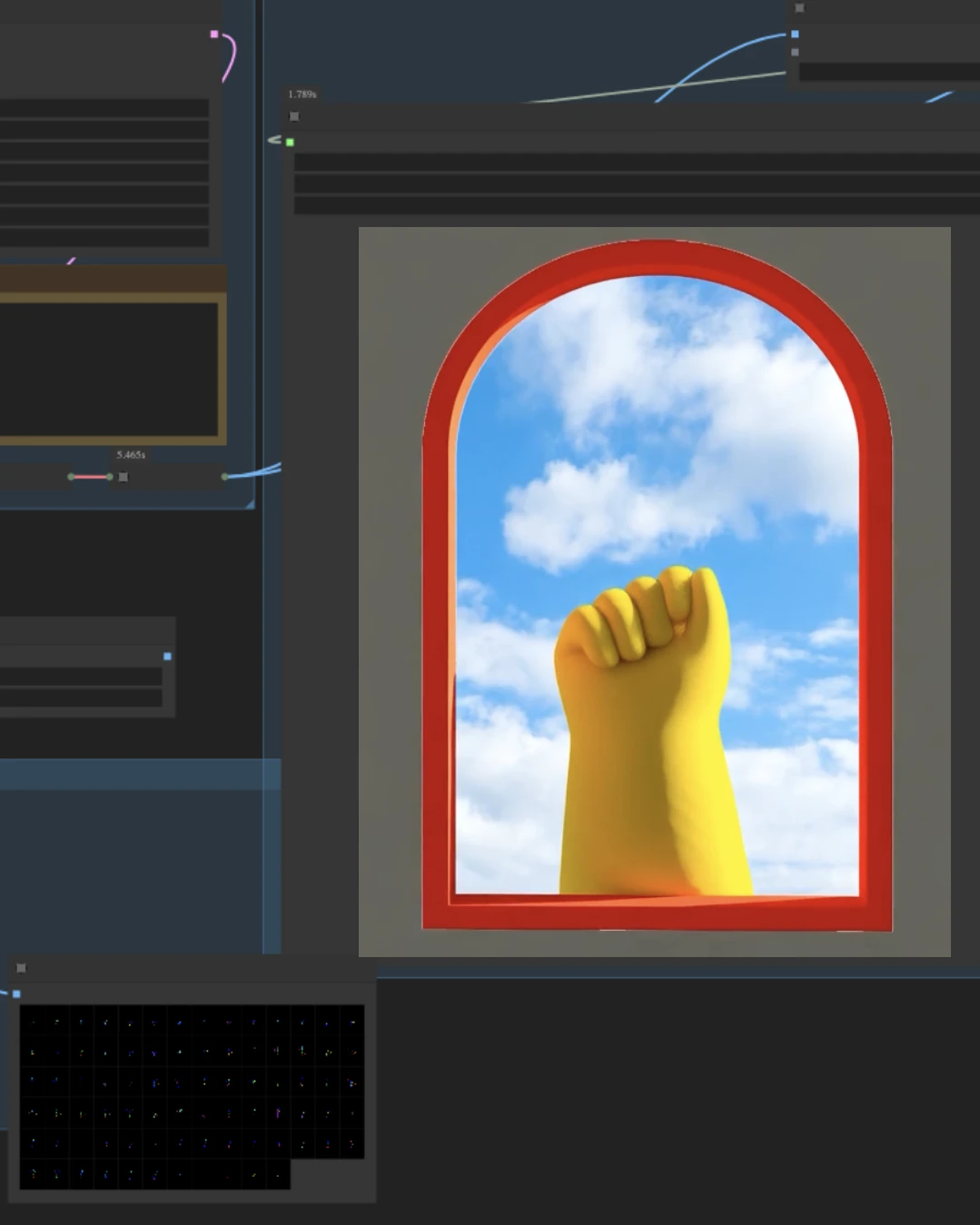
The idea was to animate a Cinema4D hand without rigging by transferring real motion through a video-to-video pipeline in ComfyUI. The workflow: record my hand → extract pose with DW Pose → generate the final animation with WAN 2.2 VACE, using the first frame as a style reference.

Motion Capture

Pose Extraction

The source video is processed in ComfyUI with the ControlNet DW Pose Estimator to get frame-accurate skeletal cues for the wrist, palm and fingers. This gives me a clean motion signal—timing and gesture—without committing to any rig.

Comfy

Video-to-video generation with WAN 2.2 VACE.

WAN 2.2 VACE (Video-Aware Consistency Engine) is designed for frame-stable generation: it aligns temporal consistency across frames so the style remains locked while motion evolves smoothly. In my workflow, the first frame of the sequence was used as a style reference, ensuring that the yellow Cinema4D hand’s appearance stayed identical throughout. The DW-Pose sequence then guided motion, so what you see is my real hand movement faithfully translated into the stylized model.

Result

Outro

Everything is generated end-to-end in ComfyUI. Thanks to WAN 2.2 VACE’s frame stability, the output avoids jitter and drifting style, while the real-world motion input keeps the animation expressive. The result is a natural hand animation built entirely from a lightweight AI pipeline—no traditional rigging required.

⬑ Process / AI Hand
[09. September 2025]

What is ComfyUI?

ComfyUI is an open-source, node-based interface for Stable Diffusion that lets you build custom image and video generation workflows by connecting modular nodes for full control and flexibility.

What is WAN 2.2?

WAN 2.2 is an open-source text-to-video and video-to-video diffusion model. It introduces the Video-Aware Consistency Engine (VACE), which is designed to keep style stable and motion coherent across frames, making it especially suited for workflows that combine visual consistency with external motion guidance.

Helpful Resources